Winter electricity bills often rise even when daily routines remain the same. Homes and workplaces do not suddenly add new appliances, yet power costs quietly increase as colder months set in. This happens because lights stay on longer, room heaters and geysers run more frequently, and people spend more time indoors relying on electrical devices. These small but consistent changes are enough to push energy consumption higher without most people noticing it.
This is exactly why winter electricity saving tips are important. Saving electricity in winter is not about living in discomfort or cutting down on basic needs. It is about using energy more wisely by understanding where it is being consumed and how small adjustments can reduce waste.
In this blog, you will learn why electricity usage increases in winter, how to save electricity in winter with practical steps, and how monitoring can make winter energy saving easier and more reliable.
What Causes Higher Electricity Usage in Winter
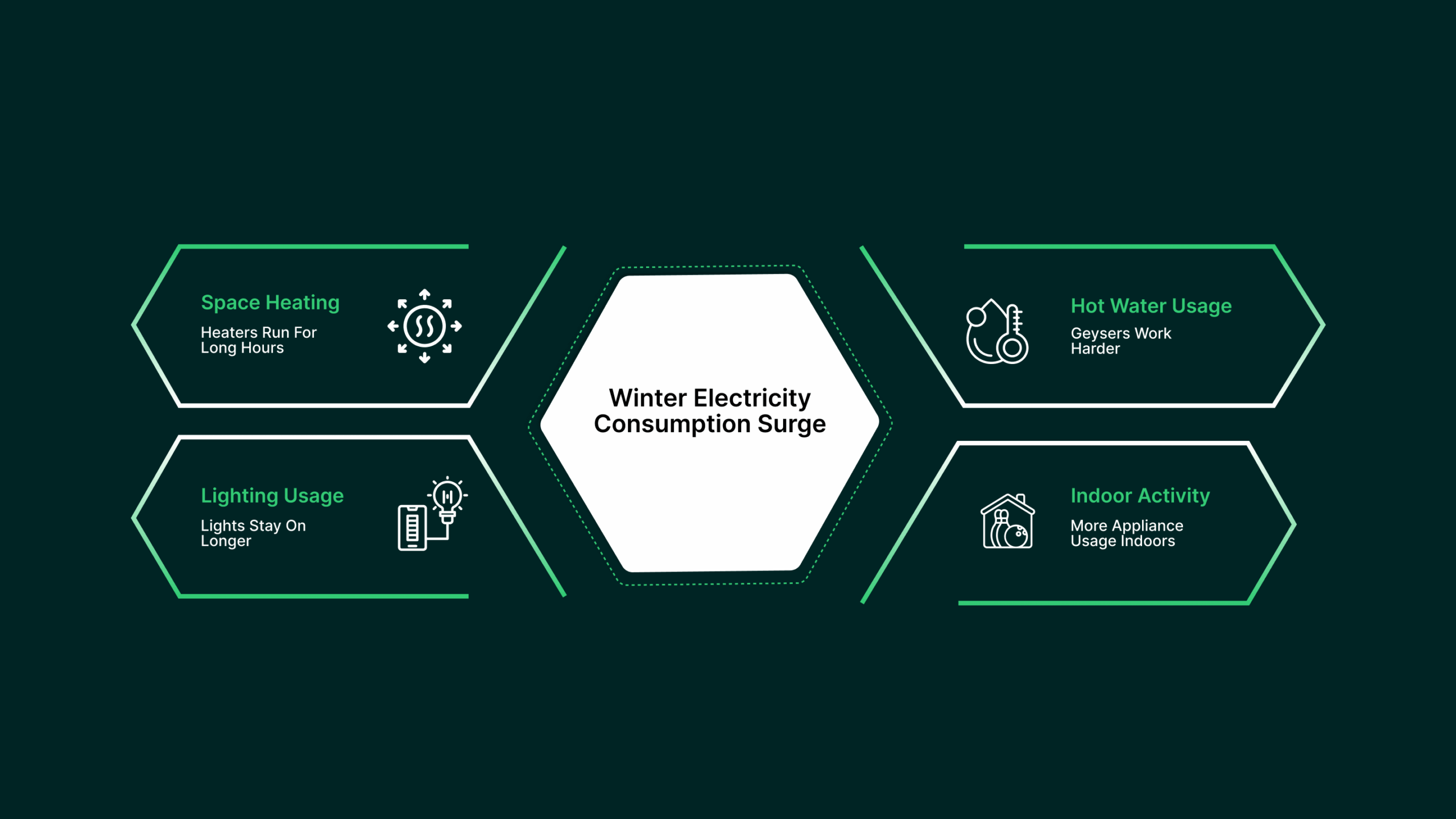
Winter electricity consumption rises not because people suddenly become careless, but because comfort naturally becomes a daily priority. As temperatures drop, many electricity users shift from optional to necessary. Heating, lighting, and hot water are no longer occasional needs. They become part of everyday living, which quietly pushes power usage higher.
The biggest reason behind this increase is space heating. Room heaters, heat pumps, and centralized heating systems draw a large amount of electricity, especially when they run for long hours. Many households and offices keep heaters on even when rooms are empty, assuming warmth must be maintained constantly. This habit alone adds a significant load to the electricity bill.
Lighting also plays an important role. Shorter days and longer nights mean lights stay on for extended hours, particularly in spaces with limited natural sunlight. Although each extra hour may seem small, the cost adds up steadily over the winter season.
Hot water usage rises as well. Geysers and electric water heaters work harder in cold weather to maintain temperature. Frequent hot showers, warm dishwashing, and increased water heating cycles slowly increase electricity consumption without being noticed.
Another important factor is indoor activity. During winter, people spend more time inside, which leads to more cooking, longer screen time, and higher use of appliances throughout the day.
Common winter habits that raise electricity bills include:
- Running heaters continuously instead of only when needed
- Leaving lights on for longer periods
- Increased use of electric water heaters
- More indoor appliance usage due to staying indoors
What makes winter electricity bills confusing is that none of these habits feel excessive on their own. However, when combined, they significantly raise winter power consumption beyond expectations.
Ways to Save Power in Winter Without Losing Comfort
Saving electricity in winter does not mean living in cold or dimly lit spaces. It is about maintaining warmth, productivity, and comfort while using energy smarter and more efficiently.
When you make small, thoughtful adjustments at home and in offices or small businesses, you can reduce electricity use without compromising comfort. These strategies focus on retaining heat, using appliances efficiently, and aligning energy use with actual needs, rather than simply generating more heat or keeping everything powered continuously.
Simple Ways to Save Electricity at Home in Winter
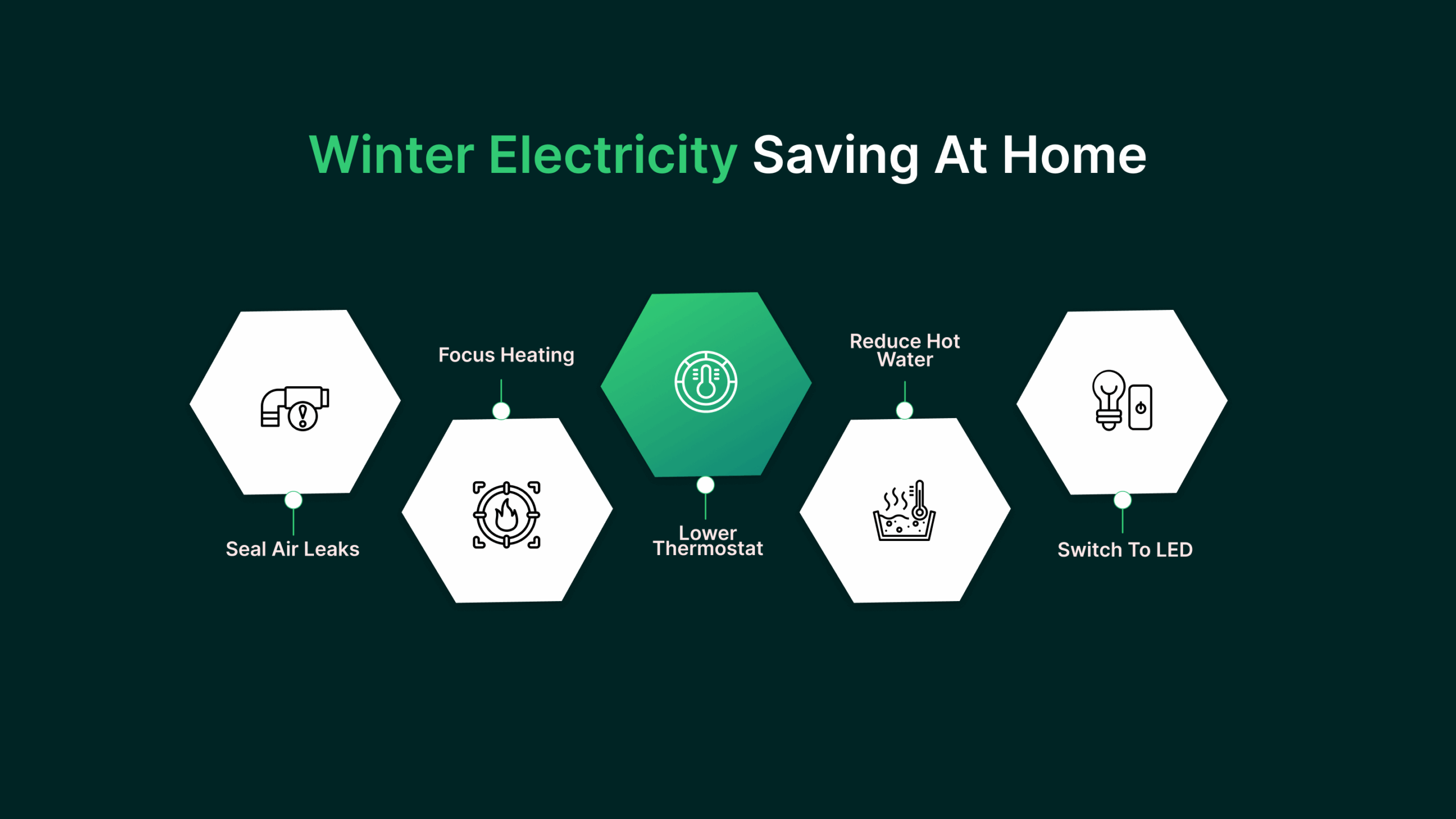
At home, the goal is to retain warmth instead of constantly generating it. Simple steps can make a noticeable difference:
- Seal gaps around doors and windows, use thick curtains, and block drafts to prevent warm air from escaping.
- Focus heating only on rooms that are actively used instead of heating the entire house.
- Slightly lower thermostat or heater settings; even a one-degree reduction can reduce electricity consumption without affecting comfort.
- Reduce hot water usage by taking shorter showers, using warm water instead of very hot water, and switching off water heaters when not needed.
- Switch to energy-efficient lighting and ensure lights are turned off in unused spaces, particularly since winter days are shorter.
Make these actions part of your daily routine rather than temporary fixes to maximize winter power savings.
How Offices and Small Businesses Can Save Electricity in Winter
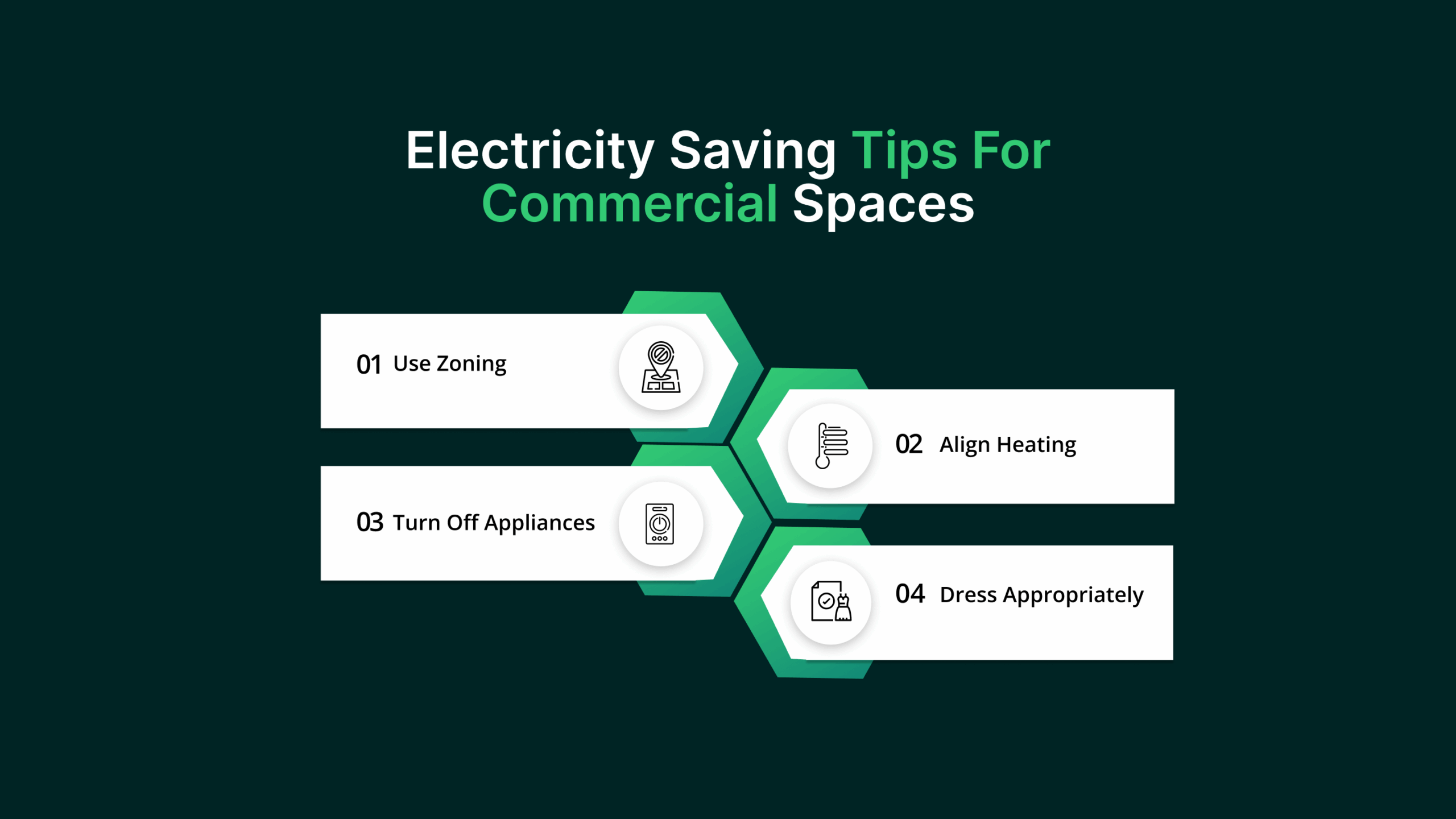
In offices and small businesses, winter electricity efficiency depends on coordination and planned usage:
- Align heating systems with working hours. Avoid running heaters before staff arrive or after hours.
- Use zoning to heat only areas in active use instead of entire floors. Meeting rooms, storage areas, and corridors often do not need constant heating.
- Encourage staff to dress appropriately indoors so heating systems are not overburdened.
- Ensure computers, printers, pantry appliances, and lighting are turned off when not in use. Longer indoor presence in winter makes disciplined appliance use crucial.
- Small behavioral adjustments and operational discipline often achieve better electricity savings than expensive equipment upgrades.
Combining these practical home and office strategies helps households and businesses stay warm, comfortable, and productive while significantly lowering winter electricity bills.
How Real-Time Monitoring Helps Reduce Power Bills in Winter
Many people follow winter electricity saving tips but remain unsure if they are effective. The reason is that electricity bills arrive monthly and only show total usage, not the patterns behind it.
Without visibility into daily usage, it becomes difficult to connect habits with results. You may reduce heater usage, but then use more hot water without realizing it. Or you may save in one area and overspend in another.
However, monitoring electricity regularly changes this completely.
When electricity usage becomes visible on a daily and weekly level, patterns start to appear. You can see which days consume more power, how weekends differ from weekdays, and whether winter electricity consumption is rising steadily or fluctuating unpredictably.
For example, if usage spikes every evening, it may point to heaters running longer than needed. If weekends show higher consumption, it may indicate increased indoor appliance use or entertainment systems staying active for extended hours.
Monitoring does not reduce electricity by itself, but it replaces assumptions with clarity. With visible data, winter energy saving becomes based on real behavior instead of guesswork.
How enciser’s Emerald Supports Winter Energy Saving
This is where tools like enciser’s Emerald support smarter winter electricity management.
Emerald device connects to the submeter and shows total electricity consumption in real time through the enciser app. This gives households, offices, and facilities a clear view of how electricity usage changes throughout the day, week, and month.
During winter, this becomes especially useful.
You can see how heating cycles affect total consumption. You can observe whether switching off heaters earlier actually reduces usage. You can track how weekends compare with weekdays and identify where winter power saving efforts are working or slipping.
For example, after changing heating schedules or reducing hot water usage, Emerald allows you to verify whether total electricity consumption has stabilized or continues to rise. This immediate feedback makes winter energy saving more practical and measurable.
Emerald does not replace better habits or energy-efficient devices. It supports smarter decisions by showing what is truly happening inside your electricity usage, especially when winter conditions change consumption patterns quietly.
Common Mistakes That Increase Winter Electricity Bills
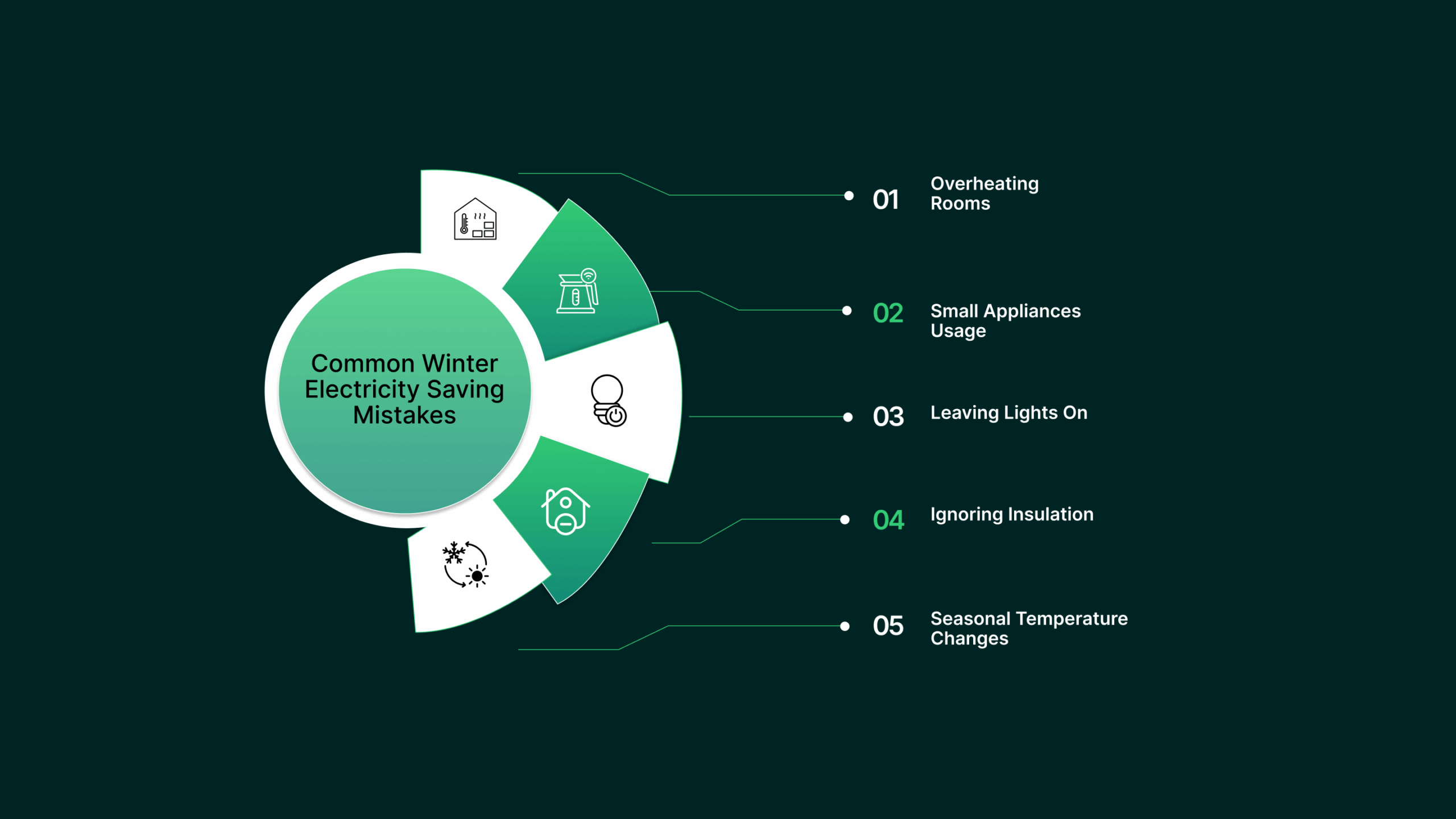
Even when people try to save electricity in winter, small mistakes can quietly cancel out their efforts. Understanding these common pitfalls helps ensure that your energy-saving actions actually make a real difference.
- Overheating rooms more than necessary increases heater load and electricity consumption without improving comfort.
- Ignoring insulation, drafts, and sealing around doors and windows reduces the effectiveness of any winter electricity-saving strategy.
- Assuming small appliances do not matter can be costly, as constant use of kettles, heaters, and entertainment devices adds up over long winter days.
- Relying only on seasonal temperature changes instead of adjusting daily habits delays meaningful savings.
- Leaving lights and electronic devices on in unused spaces wastes energy unnecessarily.
Avoiding these mistakes ensures your winter electricity savings are noticeable and lasting. With enciser’s Emerald, you can track electricity consumption in real time, identify hidden patterns, and make smarter decisions to reduce bills while maintaining comfort.
Common Mistakes That Increase Winter Electricity Bills
When winter electricity saving becomes a daily habit rather than a temporary effort, the results become clear and lasting. You start noticing the impact on bills, comfort, and appliance performance. Key outcomes include:
- More predictable and manageable electricity bills
- Gradual reduction in total winter electricity consumption
- Stable indoor temperatures without overusing heaters
- Less strain on appliances, leading to longer equipment life
- Fewer unexpected breakdowns during peak winter usage
- Confident control over energy usage without compromising comfort
To make these results easier to track and maximize, tools like enciser Emerald provide real-time electricity monitoring. It shows you how energy is used daily, weekly, and monthly. Emerald helps households and offices identify patterns, make smarter energy choices, and achieve consistent winter electricity savings.
Conclusion
Winter electricity saving is not about giving up comfort or changing daily routines drastically. It is about understanding how small habits, heating patterns, and indoor activity affect electricity usage during colder months.
When you follow practical winter electricity saving tips and keep track of actual consumption, households and workplaces can gradually lower power bills while maintaining comfort.
With Enciser Emerald , you can monitor real-time electricity usage and uncover hidden energy drains. This visibility makes it easier to optimize heating schedules, manage appliances efficiently, and make informed decisions. When energy use becomes clear, consistent savings and smarter winter electricity management naturally follow.
FAQs
Why does my electricity bill increase in winter?
How can I save electricity in winter without feeling cold?
Do small habits really impact winter electricity bills?
How can I track my winter electricity usage better?
Does monitoring really help reduce electricity bills in winter?

 Previous Blog