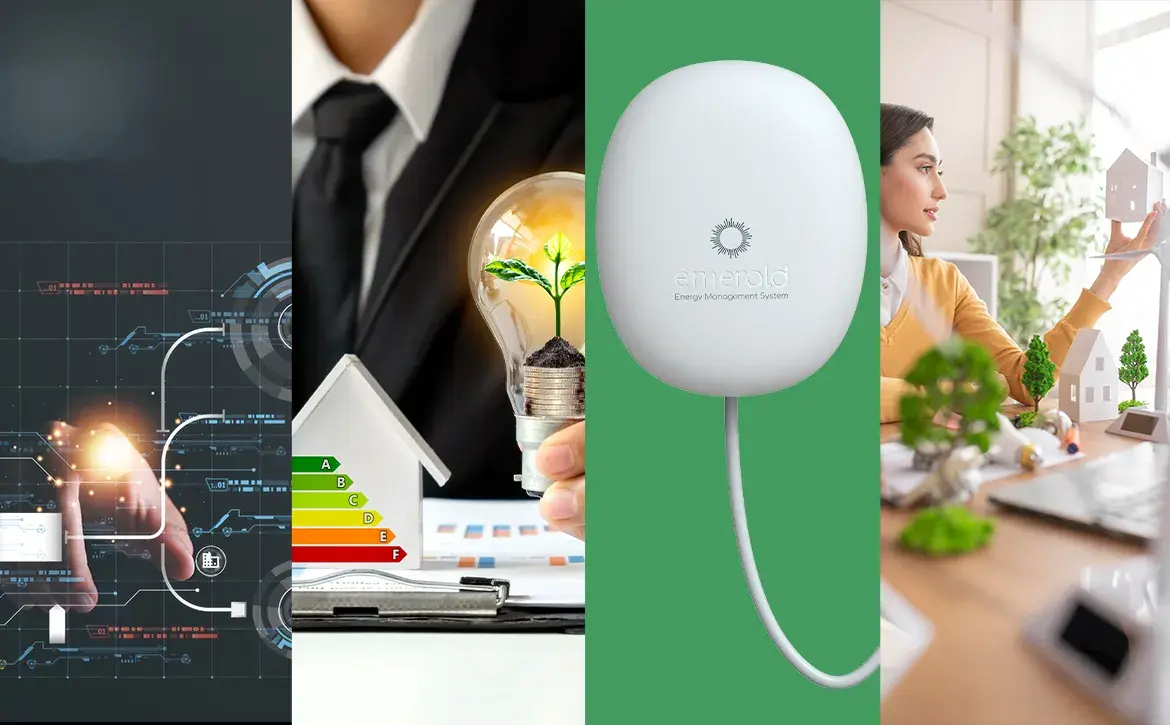
Introduction
An Energy Management System (EMS or EnMS) refers to any software or device that is used by companies to monitor/manage their energy consumption.
In broader terms, it includes all the sensors, appliances, and mobile apps that can help you manage and save electricity.
Given the skyrocketing energy prices in the modern day, it has become quite crucial for businesses, industries, and homeowners to use energy responsibly with everything at their disposal.
Better known as energy efficiency, it is the practice of saving energy for which there are several types of energy monitors and management solutions that you can find.
This includes large-scale industrial-grade systems as well as compact home energy monitoring devices like Emerald.
Regardless of the type though, an EMS can significantly reduce the power consumption of your home or workplace and eventually the cost associated with it.
What is an Energy Management System?
According to the United Nations Industrial Development Organization (UNIDO), an EMS is a software or framework that is designed to manage the energy consumption of consumers from different sectors including industrial, commercial, and residential.
The purpose of an EMS is to help consumers identify areas where energy efficiency can be implemented and the cost and loss of energy can be reduced. In short, where energy can be saved.
To do that, the ISO or International Organization for Standardization has outlined various components that are rather essential for a successful implementation of an EnMS.
These include:
- Developing and implementing an energy policy.
- Setting achievable goals for energy usage.
- Drafting actionable plans of action to reach and measure the progress.
For instance, implementing energy-efficient technologies, reducing energy waste, and improving work processes to cut energy costs.
Types of Energy Management Systems
As we mentioned earlier, an Energy Management System is a versatile solution that can be applied to various sectors and industries starting from residential homes, buildings, and offices to industries and large-scale factories.
Some of the rather common types of Energy Management System include:
- Building Energy Management Systems (BEMS)

BEMS is used to manage and control the energy usage of a building in commercial, residential, and institutional spaces. It includes factors such as HVAC (heating, ventilation, and cooling), lighting, security, and other electrical aspects such as EV charging.
- Home Energy Management Systems (HEMS)
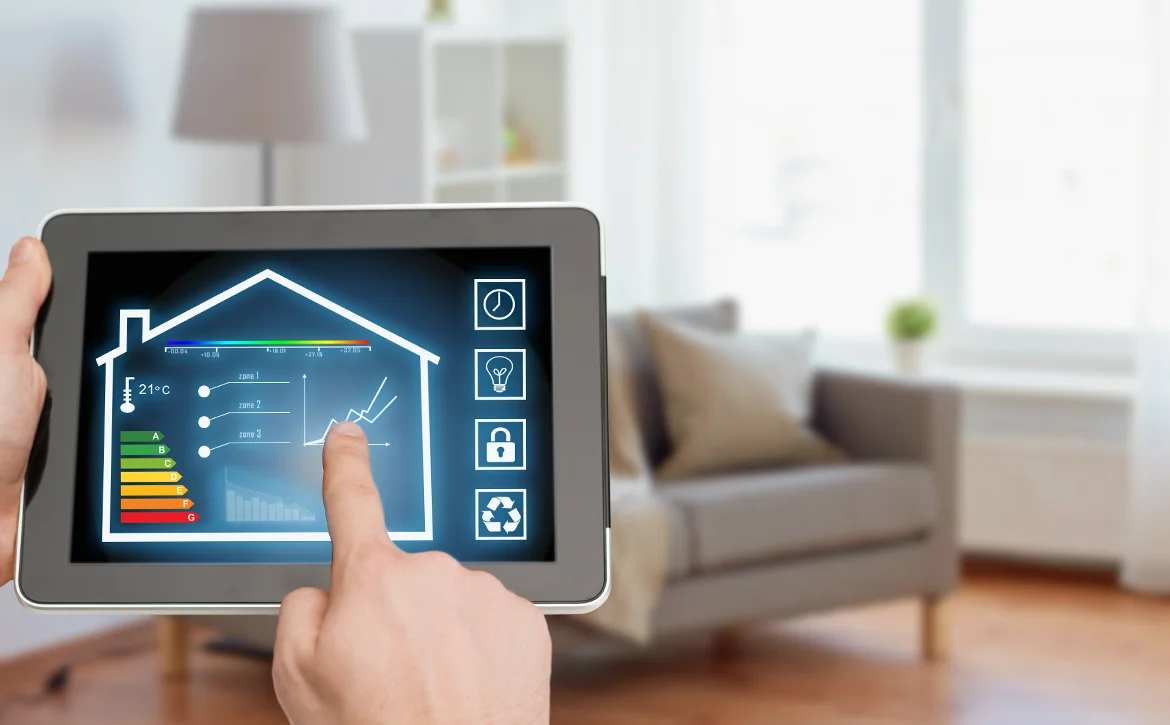
Home energy management systems are designed to monitor and manage the electricity consumption of a household. As such, they are best suited for smaller spaces or assets including EVs, heat pumps, Solar PV systems, smart energy meters, and home automation devices.
- Industrial Energy Management Systems (IEMS)

Industrial EMS, on the other hand, is meant to monitor, manage, and optimize the energy consumption of industrial settings such as production plants or manufacturing facilities.
These management systems are thus used to enhance the energy efficiency of industrial-grade equipment, heavy-duty machines, complex processes, and advanced energy monitors.
- Community Energy Management Systems (CEMS)

Community-oriented energy management systems are based on smart energy management of entire communities or cities on a bigger scale.
As such, they can use all the applications of an EMS including the above-mentioned types (HEMS, BEMS, and IEMS) to meet the rising demands of energy efficiency to run the infrastructure.
Benefits of Using an EMS
Implementing an EMS into your business processes can bring a lot of benefits to the table especially when we talk about energy conservation and energy efficiency.
There are several benefits of using an energy management system.
-
- Cost savings on electricity bills
Investing in an effective EMS can reduce the electricity bills of an organization or facility from up to 5 to 15%.
Apart from the monthly energy costs, an EMS can also help companies reduce the cost associated with over-production in peak seasons and the ever-fluctuating energy prices in the current global landscape.
- Improved energy efficiency
Needless to say, as the single most efficient approach to energy savings, the practice of energy efficiency can be significantly improved by embedding an EMS into a building or site.
However, to do that effectively, it is important to carry out a comprehensive assessment or audit of the energy usage of the given location.
Once you’ve identified all the inefficient areas, you can make informed decisions on implementing the right energy management solution for better energy efficiency in your space.
- Environmental impact and sustainability
Perhaps, one of the biggest benefits of opting for an EMS is the lack of environmental waste and greenhouse gas emissions, which has been a major problem for the industrial sector.
With a proper EMS in place, companies can marginally reduce their carbon footprint and environmental impact.
- Enhanced operational efficiency
Energy Management Systems can also help companies gain better control over their technical processes and workflows to improve their productivity and stability.
By centralizing the energy management of various machines, equipment, and processes to a single location, businesses can be in a far better place to improve their day-to-day operations.
Speaking of which, there are several astounding features of an EMS that help you do it.
Also read – Why Smart Homes Need an Energy Management System
- Cost savings on electricity bills
Features of a Modern EMS
Advanced Energy Management Systems such as Enciser are not only built to save energy but also to give you far superior control over all the devices and mechanisms that require electricity in the first place.
As such, some of the rather advanced features of a modern EMS include:
-
-
- Real-time energy monitoring
A smart EMS like Enciser offers non-stop tracking of energy consumption, generation, and distribution, thanks to its smart app or software.
With all the information about energy usage at your fingertips, you will be in a far better position to make informed decisions or changes in the way you use energy.
- Automated control systems
Along with seamless remote access, modern EMS also provides you the ability to automate the energy consumption of various devices based on set parameters or fresh data.
Plus, it helps improve the operational efficiency and reduce energy wastage with a minimum need of human intervention.
- Data analytics and reporting
Accurate data analysis and reporting are yet another key benefits of implementing an EMS solution.
With advanced/ AI-enabled algorithms, most EMS systems are fully capable of bringing meaningful insights from your usage patterns which you can use to adjust the energy usage and address any anomalies or early system failures.
- Integration with other systems
Their ability to be integrated with other systems including renewable energy sources like solar and wind, and energy-efficient appliances or devices make them even more useful in your quest for energy savings.
- Real-time energy monitoring
-
How to Implement an EMS?
Implementing an EMS into a workplace takes a lot of intricate steps that should be better left to professionals.
To give you a rough idea, here are the steps to implement an EMS properly:
Step 1: Energy audit and planning.
Step 2: Selecting an EMS and designing the infrastructure.
Step 3: Procuring and installing the system.
Step 4: Integration with existing systems and testing.
Step 5: Staff training and centralized documentation.
Step 6: Implementation and optimization.
Step 7: Monitoring and improvement.
When setting up your EMS, you should also be wary of factors such as:
-
-
-
- Your energy management goals.
- The scope of EMS, as in its compatibility and integration with existing systems.
- Data accuracy and security.
- Regulatory compliance.
- Proper training and support for the workforce.
- Continuous monitoring and evaluation.
- Environmental factors and sustainability.
- Cost and budget.
-
-
Introduction to Emerald: Enciser’s Solution for EMS
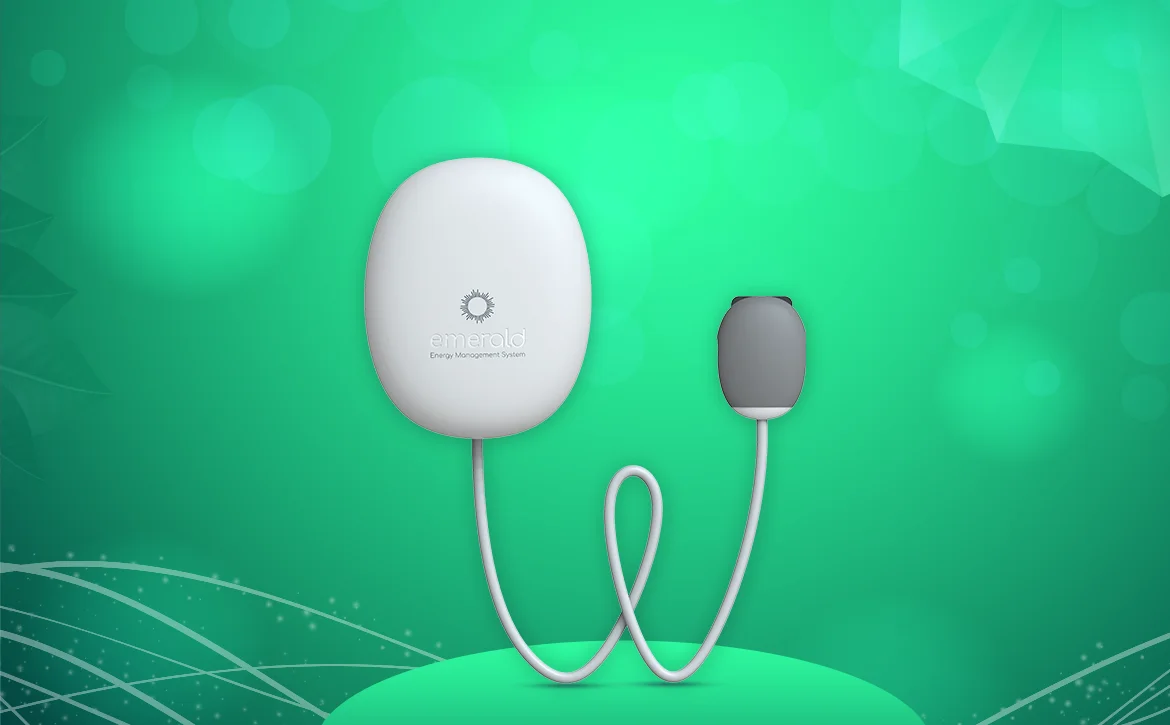
Enciser’s Emerald is a smart energy monitoring device that you can use at your home or office to monitor and manage power consumption.
Easy to install, connect, and launch, Emerald is a tiny device that can be directly attached to a smart energy meter to read and transmit the energy consumption of a building or space over the internet.
As simple as it looks with a minimalist design, Emerald is fully capable of giving you total control over your devices and the space as a whole.
Some of its rather unique and useful features include:
-
-
-
- Real-time energy monitoring via a mobile app.
- In-depth energy consumption details of individual machines and appliances.
- Regular notifications and alerts for immediate adjustment in energy usage.
- Easy installation and configuration.
- A user-friendly interface or mobile app called ‘Enciser.’
-
-
Speaking of which, Enciser is the proprietary app of our energy monitor “Emerald” using which you can easily manage, control, and automate the energy consumption of your assets and property.
Case Studies and Real-life Examples
Serving in the Indian States of Punjab, Chandigarh, Gujrat, Delhi, and Rajasthan, Enciser is all set to revolutionize the way we use energy here in India.
With the introduction of smart energy meters in India, the scope of our smart energy monitor- Emerald is also on the rise, and for all the good reasons as mentioned above.
Latest Trends and Innovations in EMS
As the field of energy efficiency and EMS continue to grow, innovations and advancements in the technology are being emphasized as well.
That said, some of the latest trends and innovations in EMS include:
-
-
-
- AI and Machine Learning.
- IoT (Internet of Things) and Smart systems.
- Blockchain technology.
- Integration with renewable energy.
- Advanced data analytics.
- Automation.
- Edge Computing.
- Sustainability and green energy.
- User-friendly designs.
- Energy-as-a-Service (EaaS).
- & Virtual Power Plants.
-
-
Conclusion
Implementing an EMS into your business or factory can significantly reduce the energy required to run the facility and thus the overall cost of doing it.
With real-time monitoring and management of energy usage, businesses and homeowners can make informed decisions about using/ wasting energy. Eventually, reducing their environmental impact and enhancing their energy efficiency.
So, if you want to do the same and don’t want to end up paying more for your electricity usage, it’s important to get yourself an EMS like our Emerald.
With a smart app ‘Enciser,’ Emerald can be used to monitor and adjust the energy consumption of your home and appliances on the go no matter where you are.
Plus, it gives you the ability to pre-set the energy budget based on previous usage and data.
Frequently Asked Questions
Q 1. What is a home energy management system?
Ans: A home energy management system or HEMS is a type of energy monitoring device or software that you can use to manage the energy consumption of your home.
Q 2. What is smart energy management?
Ans: Smart energy management refers to the process of managing the energy usage of a particular space by utilizing smart sensors, appliances, monitors, apps, softwares, and every other device that is at your disposal and which can be used over the Internet.
Q 3. What is energy management with example?
Ans: Energy management involves the tracking, monitoring, and optimization of the energy usage of a specific device, building, or site.
E.g., a large-scale commercial office building or an industrial facility.
Q 4. What is the standard for energy management systems in India?
Ans: ISO 50001 is the standard certification that is required to ensure a healthy energy management system in India.
It includes factors such as smart energy management, less energy consumption or an efficient use of energy, lack of environmental impact, and increased profitability.
Q 5. What is the main goal of energy management?
Ans: Energy saving or energy efficiency to reduce the cost as well as the environmental impact.
Q 6. Why energy management system is important?
Ans: An EMS or Energy Management System is becoming all the more important as we speak given the skyrocketing prices of fuel/energy, especially, in high energy-demanding countries such as India.

 Previous Blog