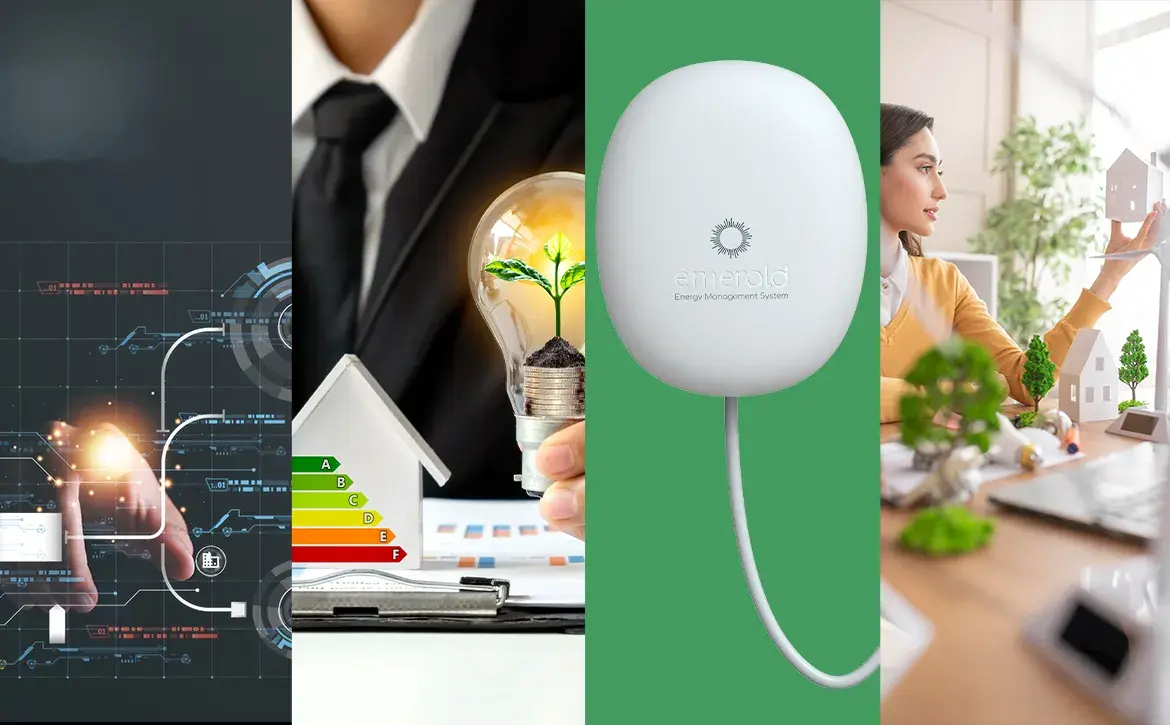
Managing a business or household means constantly dealing with rising energy costs and hidden inefficiencies. Without a proper energy management system, electricity bills keep increasing, and it’s hard to know where your energy is going or how to cut down on waste.
In industries, inefficient machines increase expenses, while in commercial buildings, lights, and HVAC systems run longer than necessary. If you don’t have a proper system in place, energy waste keeps adding up, leading to unnecessary costs.
This is where Energy Management Systems (EMS) come in, helping you track, analyze, and optimize energy use, giving you clear insights to cut costs and improve sustainability.
Across India, EMS is transforming energy management in diverse sectors. In Bengaluru’s IT parks, it helps minimize power wastage, while in Pune’s factories, it streamlines operations for better efficiency. In Delhi, smart homes integrate solar energy seamlessly with EMS, ensuring optimal power usage.
By providing a structured approach to energy efficiency, EMS is making a significant impact on businesses, industries, and households alike.
If you’re searching for the right EMS to fit your needs, keep reading to discover how to choose the best one!
What is an Energy Management System?
An Energy Management System (EMS) is a smart solution designed to track, analyze, and optimize energy consumption. It helps businesses, industries, and homes reduce waste, lower costs, and improve efficiency.
EMS plays a crucial role in sustainable power management with real-time insights and automating energy use.
How Does an Energy Management System Function?
An Energy Management System (EMS) works by systematically monitoring and optimizing energy usage to improve efficiency. Smart sensors and meters continuously track energy consumption, providing real-time data on how power is being used. AI-driven analytics then analyze this data to detect patterns and pinpoint inefficiencies that could be increasing costs.
To maximize efficiency, automated controls adjust energy usage by optimizing lighting, HVAC systems, and machinery operation. Additionally, EMS generates detailed reports and forecasts, helping businesses and industries plan better energy strategies for the future.
Why Is EMS Important Today?
With rising energy costs and an increasing focus on sustainability, EMS plays a crucial role in managing power consumption efficiently. It helps industries reduce reliance on unstable power supplies while cutting electricity costs by 20-30%.
By promoting smart energy usage, EMS also supports India’s renewable energy goals and contributes to a more sustainable future. Businesses and industries that implement EMS can significantly lower their operational expenses while reducing their carbon footprint.
Who Uses EMS?
EMS is widely used across different sectors to manage energy consumption effectively. Industries such as factories, refineries, and manufacturing plants rely on it to streamline operations and reduce waste. Businesses, including corporate offices, malls, and IT hubs, use EMS to optimize electricity use and lower costs.
Even residential spaces, such as smart homes with solar power and IoT integration, benefit from EMS by ensuring efficient power management. Additionally, public infrastructure like railways, airports, and municipal buildings leverage EMS to improve energy efficiency on a large scale.
If you are looking for a reliable solution to cut energy waste and lower costs, Emerald by enciser offers real-time monitoring and automation to improve efficiency across homes and industries.
How Does an EMS Work?
You can now efficiently manage your energy by understanding how an Energy Management System (EMS) operates. It follows a structured process to track, analyze, and optimize power usage, ensuring you get the most out of every unit of electricity.
- Energy Data Collection: IoT sensors and smart meters continuously track electricity consumption in real-time.
- Data Processing & Analytics: AI-powered software analyzes usage patterns and identifies areas of waste.
- Optimization & Automation: The system adjusts settings automatically, optimizing energy use without manual intervention.
- Real-Time Monitoring & Reporting: Dashboards provide clear insights, helping you track energy performance at a glance.
- Forecasting & Scaling: EMS predicts future energy demands and adjusts accordingly, improving long-term efficiency.
Implementing EMS helps industries, businesses, and homes reduce power wastage, lower costs, and enhance energy efficiency. Through real-time monitoring and automation, you gain better control over electricity consumption, making energy management smarter and more effective.
Types of Energy Management Systems
Below are the types of EMS to help you select the right one as per your energy management requirements:
| Type | Purpose | Example Usage |
|---|---|---|
| HEMS | Home Energy Management | Smart homes, EV charging, rooftop solar |
| BEMS | Building Energy Management | IT parks, malls, commercial buildings |
| IEMS | Industrial Energy Management | Factories, steel plants, refineries |
| CEMS | Community Energy Management | Smart cities, rural electrification |
Now, if you are wondering how to manage and optimize your electricity efficiently, enciser introduces Emerald, a highly efficient device designed to help you manage your energy consumption.
It provides real-time monitoring and automation, helping homes, businesses, and industries reduce energy waste, lower costs, and improve overall efficiency with smart, data-driven solutions.
Benefits of Energy Management Systems
An Energy Management System (EMS) helps you take control of electricity usage, making energy consumption smarter and more efficient. With the right EMS, you can save costs, reduce waste, and contribute to a more sustainable future.
Here are some of the common benefits of an Energy Management System:
- Reduces energy costs by helping industries lower electricity bills by 10-30%.
- Lowers carbon footprint by cutting energy waste and reducing emissions by up to 40%.
- Extends equipment lifespan by preventing overheating and excessive wear.
- Automates energy adjustments with AI, reducing the need for manual control.
- Improves grid stability by managing fluctuations in India’s power supply.
How to Implement an Energy Management System
Setting up an Energy Management System (EMS) helps you track, control, and optimize electricity usage, making energy management more efficient and cost-effective. You can follow these steps to integrate an EMS seamlessly into your home, business, or industry.
- Assess energy needs by conducting an energy audit to understand usage patterns and identify areas for improvement.
- Choose the right EMS based on your requirements, whether for homes (HEMS), buildings (BEMS), industries (IEMS), or communities (CEMS).
- Select a trusted provider that offers reliable EMS solutions suitable to your energy needs.
- Install sensors and software, including smart meters and cloud-based analytics, to enable real-time monitoring.
- Integrate the system with existing infrastructure like solar panels, HVAC, and industrial machines for better energy coordination.
- Monitor and optimize energy consumption with AI-powered dashboards that provide insights and automation.
- Scale and expand the EMS over time, making adjustments based on changing energy demands and technological advancements.
With the steps mentioned above, you can effectively manage electricity usage, reduce costs, and enhance overall energy efficiency.
The Future of Smart Energy Management
Energy Management Systems (EMS) are evolving with advanced technologies, making electricity usage smarter and more efficient. With this advancement, AI and machine learning helps EMS to predict energy demand, detect inefficiencies, and automate adjustments. It helps businesses and homes reduce waste and lower costs.
These intelligent systems continuously learn from usage patterns, ensuring better energy optimization over time.
Moreover, Blockchain technology is also transforming EMS by enabling secure and transparent energy transactions.
This innovation allows decentralized energy trading, making it easier for businesses and households to buy and sell excess power efficiently. It also strengthens grid management, ensuring a stable and reliable energy supply.
The integration of IoT and smart meters is enhancing real-time monitoring and predictive analytics.
You can now use smart sensors that will provide instant data on electricity usage, allowing your EMS to make timely adjustments and prevent power wastage. This level of automation helps maintain efficiency without manual intervention.
With time, renewable energy sources like solar and wind are becoming more common, and the requirement of EMS has increased in order to manage their integration.
Energy Management systems help balance energy supply and demand, ensuring a steady flow of power even with fluctuating renewable sources.
Several Indian cities like Bengaluru, Hyderabad, and Pune are already adopting these smart EMS solutions to create more sustainable urban infrastructure.
With fast-growing technology, EMS is changing how electricity is managed, making energy use smarter, more affordable, and eco-friendly.
How to Choose the Right EMS
If you are selecting the right Energy Management System (EMS), it is essential to plan carefully and ensure that it meets your energy needs while maximizing efficiency and savings.
Here are the key factors you can consider before choosing the right EMS:
- Budget & ROI: Compare the upfront investment with long-term savings. A good EMS helps cut electricity costs significantly, making it a smart financial decision.
- Integration Compatibility: Make sure the EMS can connect seamlessly with your existing infrastructure, including solar panels, HVAC systems, and industrial machinery.
- Real-Time Monitoring: Opt for a system with AI-powered analytics that tracks energy consumption, detects inefficiencies, and provides actionable insights.
- Scalability: Your energy demands may grow over time, so choose an EMS that can adapt and expand as needed without requiring a complete overhaul.
Your energy management journey should be seamless, efficient, and future-ready. When you select the right EMS, you gain complete control over electricity usage, which further helps improve sustainability.
Conclusion
When you’re looking to cut electricity costs and boost efficiency, managing energy wisely becomes essential. For that, it is important to use an EMS and monitor your energy usage.
An advanced Energy Management System (EMS) helps you track real-time usage, cut down waste, and ensure optimal performance. With time, businesses and homes are moving toward smarter energy solutions, and having the right system in place makes all the difference.
If you’re looking for a reliable way to monitor and optimize electricity consumption, enciser brings you a solution designed for seamless control, helping you make the most of every unit of energy.

 Previous Blog