
Introduction
Given the skyrocketing prices of fuel and electricity, it has now become imperative to use them responsibly whether you’re at home or away.
Also known as energy efficiency, it is the practice of using the minimum amount of energy required to run a machine, appliance, or the household as a whole.
Understanding how to save electricity bill at home can lead to numerous advantages apart from cutting down the cost of your utility bills.
There are many advantages of saving electricity at home apart from cutting down the cost of your utility bills.
Some of these, on an individual level, include –
- Energy security and equity.
- Lack of greenhouse gas emissions and environmental impact.
- Conservation of fossil fuels and non-renewable resources.
- Better health.
- Improved quality of life.
Combined with other forms of energy like solar and wind, you can further improve the energy efficiency of your home while reducing the dependency or reliance on your local power grid.
To give you a perspective, installing a solar panel at your home can help you save about $20,000-$75,000 in electricity costs over the lifetime.
And that’s just one of the several aspects of saving electricity at home.
There are many other ways in which you can save energy or turn your home energy-efficient. Let’s take a look:
Top 8 Ways to Save Electricity Bills at Home
1. Conducting an Energy Audit
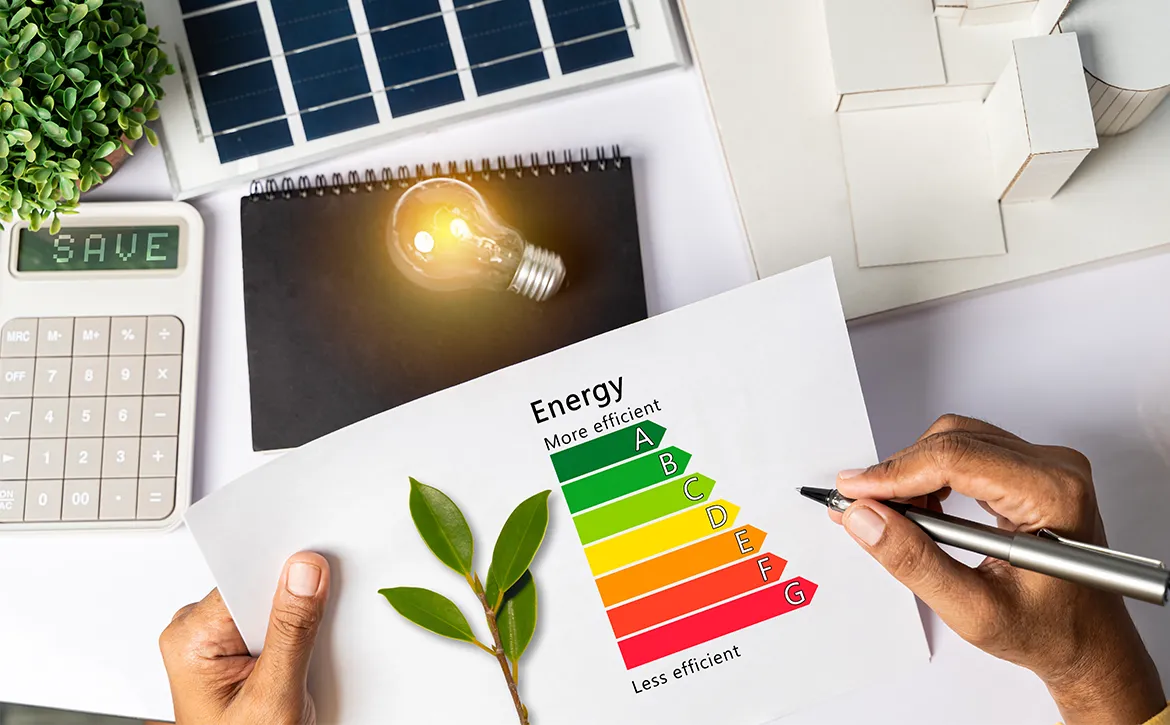
A home energy audit or assessment is the first thing you must do to make your home energy-efficient.
It involves a meticulous evaluation of your home’s energy consumption and the potential efficiency as a whole.
In other words, it’s about finding out those areas and appliances that consume way too much energy and can significantly reduce utility bills by making a few changes.
To do that, you can either hire a professional energy auditor or DIY should you have the necessary tools and skills to conduct the survey.
In either case, here’s what you need to pay attention to when carrying out an energy audit of your house:
- Evaluation of energy bills to analyze the cost and usage trends.
- Exterior and Interior inspection to figure out issues and opportunities.
- Blower door test to ensure a leakproof house.
- Thermographic scan to identify heat loss.
- Ductwork inspection for leakage and proper insulation.
- Combustion safety tests for any hazardous emissions.
By doing the initial audit, you will be in a far better place to identify the energy-wasting areas or rooms of your house and do what’s needed to save electricity.
2. Upgrading to Energy-Efficient Appliances
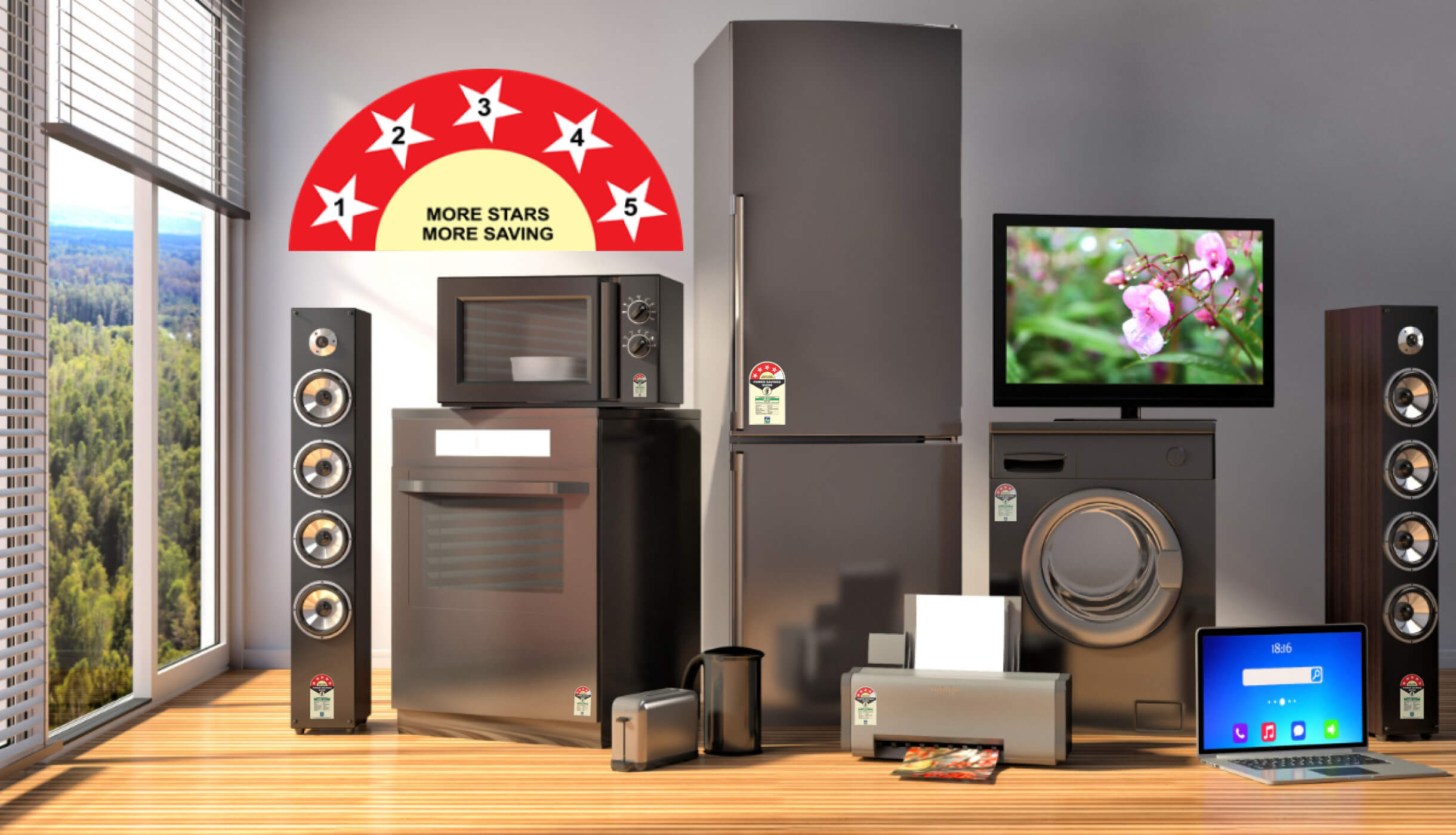
For instance, upgrading or replacing your old appliances with new energy-efficient or Energy Star appliances that are designed to deliver maximum performance with the least amount of energy.
Albeit, a bit impractical to replace your old working appliances just because they are old, replacing them with better newer ones with energy-efficiency capabilities or star labeling might just be the right thing to do.
Energy-star labeling is the contemporary standard that rates an appliance or electronic from 1 to 5 based on its energy-efficiency capabilities. 5 for the maximum and 1 for the least, meaning that the appliance is still energy-efficient to some degree.
The best part- there are all kinds of exchange offers and seasonal sales that you can avail to grab your next energy-efficient appliance at affordable rates.
Be it a fridge, TV, AC, lights, room vacuum cleaners, or so on, there is a long list of energy-efficient appliances that you can switch to and reduce your energy bills all the while.
3. Optimizing Heating and Cooling Systems
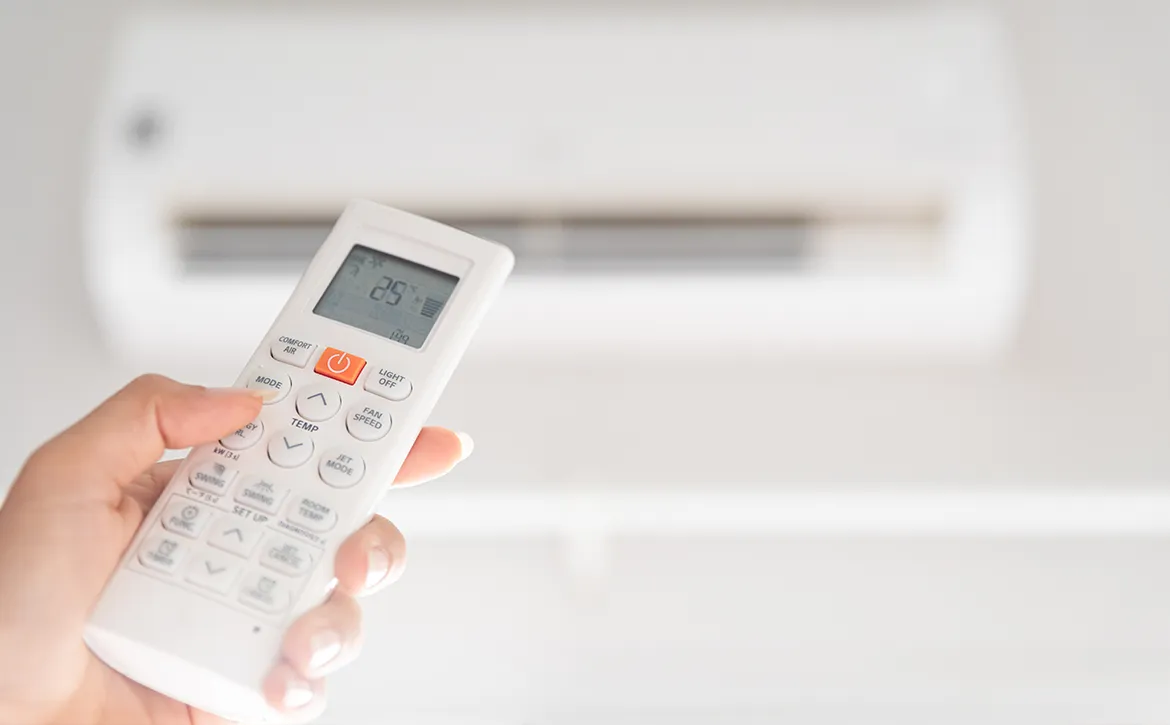
Since heating and cooling equipment are two of the highest consumers of electricity at home or personal space, optimizing them to the right settings or models and using them wisely can be quite crucial.
For example, setting your AC to 24°C for optimal performance and shutting it off when the room is chilled enough, or opting for smart or energy-efficient thermostats to regulate the temperature inside the home.
You might also want to clean or maintain the heating/ cooling equipment from time to time to ensure maximum performance and a lack of consumption or loss of energy.
Speaking of which, make sure that your house is properly sealed and insulated to keep the desired temperature in as it can improve the heating and cooling system’s efficiency by 20% or more.
If all else fails, you can always switch to better energy-efficient equipment such as smart furnaces, heat pumps, and ACs, and reduce the heating/ cooling costs of your home by 50%.
4. Utilizing Natural Resources
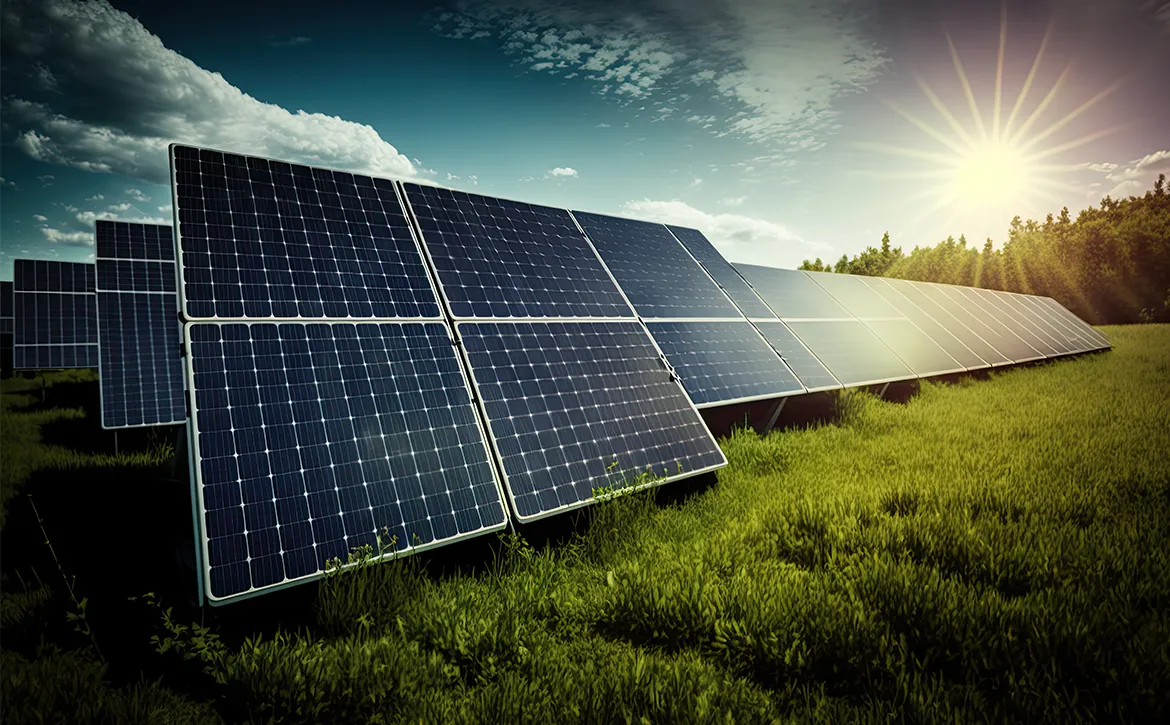
Perhaps no other effort to save electricity at home is more convenient than using natural energy or renewable resources in your favor.
For instance, using natural light during the day, or the wind of night to ventilate the room, or solar energy to power certain areas of your home.
Or, using the curtains and blinds mindfully, as in shutting them off when the sun is too hot and bright to keep the heat outside, and opening them wide on a cold day to let the warmth in, are common ways of saving electricity.
Similarly, installing a solar panel at home such as a rooftop solar also comes with many advantages when it comes to saving electricity and cutting down the cost of your energy bills.
As a one-time investment, a solar setup can help you meet the energy requirements of your home without ever relying on the power grid. From basic lighting needs to water heating to powering various other solar devices, solar energy can be used in a variety of ways.
In the end, it can also improve the overall reselling value of your home by more than 4%.
5. Implementing Smart Home Technologies
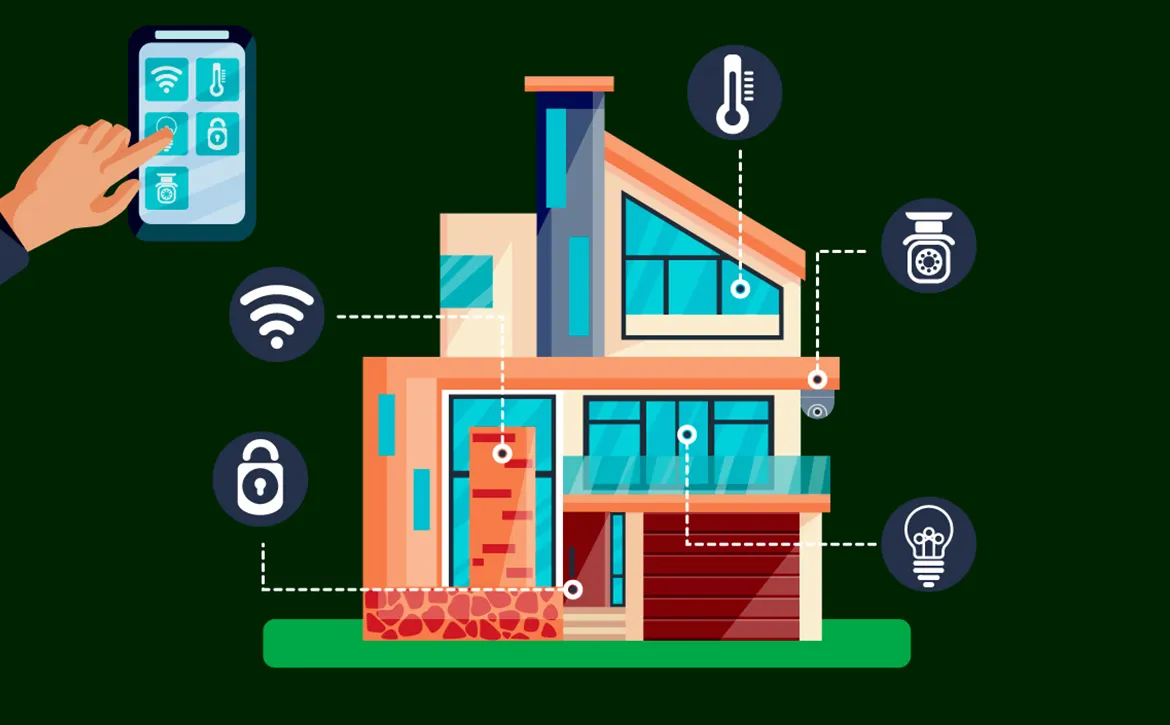
Along with energy-efficient appliances, you can also incorporate a variety of smart home technologies such as IoT to further enhance the energy efficiency of your home.
For instance, smart energy meters and monitors such as the Enciser’s Emerald which is a great way of monitoring electricity usage of your household.
Or, smart power strips to control the power flow to your devices.
Similarly, smart thermostats can be used to automate the temperatures inside the house for different times or phases of the day.
You can also integrate smart alarm systems, motion detectors, smart locks, and other sensory objects to improve the energy efficiency, convenience, and security of your home.
6. Regular Maintenance of Home Appliances
Regular maintenance of your home appliances and devices is a crucial factor that plays a major role in guaranteeing peak performance.
Apart from the performance, it can also reduce your electricity bills and the carbon footprint of your home on the surrounding environment.
At the same time, it can prolong the lifespan of your appliances by preventing any wear and tear early on.
A few things to watch out for though when cleaning or maintaining your favorite appliances are:
- In refrigerators and freezers: Cleaning the coils and ensuring proper sealing.
- Air conditioners and heaters: Cleaning or replacing the filters and coils, inspecting the ductwork, and checking the refrigerant or coolant levels.
- Washing machines and dryers: Cleaning lint traps and checking hoses for leaks and wear and tear.
- Dishwasher: Removing dust and debris from sprayer arms and cleaning the filters regularly.
- Ovens and stoves: Keeping the burners and heating elements clean and checking the door seals.
By performing these checks from time to time, you can ensure a better output and increased lifespan of your home appliances with a significant decrease in energy bills.
7. Behavioural Changes for Energy Saving
Despite all the advancements in technology, the true scope of energy efficiency lies in the daily habits and behaviors of the users.
That is, the more conscious you are of using energy the right way, the more you will be able to save it and the energy bills at the end of the day.
Some of the rather useful habits that you should adopt for saving electricity at home include:
- Turning off the lights and other devices before leaving the room.
- Using natural light/ air to light up or ventilate the house.
- Switching to smart lighting solutions and LED bulbs.
- Sun-drying or air-drying the laundry instead of using electronic dryers.
- Using home appliances efficiently.
As you can see, implementing these minor changes in your day-to-day life can significantly reduce energy bills and promote environmental sustainability too.
8. Reducing Water Heating Costs
As one of the major end uses of energy in the residential space, water heating takes a lot of energy, especially in the winter seasons.
To reduce the total cost of electricity used by water heating equipment, here’s what you can do:
- Adjust the temperature of your water heater to 49°C or 120°F as every 10°F reduction can reduce the bills by up to 3-5%.
- Use less hot water.
- Use an insulated jacket or blanket for your water heater.
- Upgrade to energy-efficient or smart water heating systems with automatic or remote control.
- Utilize the solar PV system for water heating.
- Maintain and clean the water heater and pipes regularly.
Along with that, you might also want to monitor or track the energy usage of your water heaters and make necessary changes in the way you use them.
Conclusion
As important as it has become to save electricity at home, your quest to make the most of it revolves around a lot of things.
From making the changes on a personal level to replacing or adding new energy-efficient appliances and systems, there is a lot you can do to transform your space into a smart and energy-efficient home.
By following the guidelines we discussed above, you can significantly reduce your electricity bill at home.
E.g., using energy/electricity mindfully and only when you need it, upgrading to Energy Star appliances, improving heating/cooling efficiency, utilizing natural light and air whenever you can, and including a smart energy meter or monitoring device such as Enciser for better energy management.
FAQs
Q 1. What are the most effective ways to conduct an energy audit at home?
Ans: Hiring a professional home energy auditor or DIY if you have the necessary skills and tools to conduct the audit or assessment.
Q 2. How do energy-efficient appliances contribute to lower electricity bills?
Ans: Energy-efficient appliances come with several benefits such as automation, remote access and control, and most importantly, an efficient use of energy which significantly reduces your electricity bills.
Q 3. How can solar panels and other solar-powered devices help reduce electricity costs?
Ans: Solar panels and PV systems can remarkably decrease the dependency of your home on the local power grid by generating your own free electricity at home.
It can be used for various purposes such as basic lighting, water heating, and powering ample other devices.
Q 4. Why is regular maintenance of home appliances crucial for energy efficiency?
Ans: With proper and regular maintenance of your home appliances, you can ensure better performance with less energy consumption, prolonged lifespan, lack of environmental impact, minimum need for repair/replacement, and hence a reduced cost of operation and energy bills in the end.
Q 5. What simple behavioral changes can significantly reduce electricity consumption?
Ans: Things such as turning off lights when not necessary, sun-drying your clothes instead of using an electronic dryer, and using natural light when possible can significantly reduce your electricity bills.

 Previous Blog


